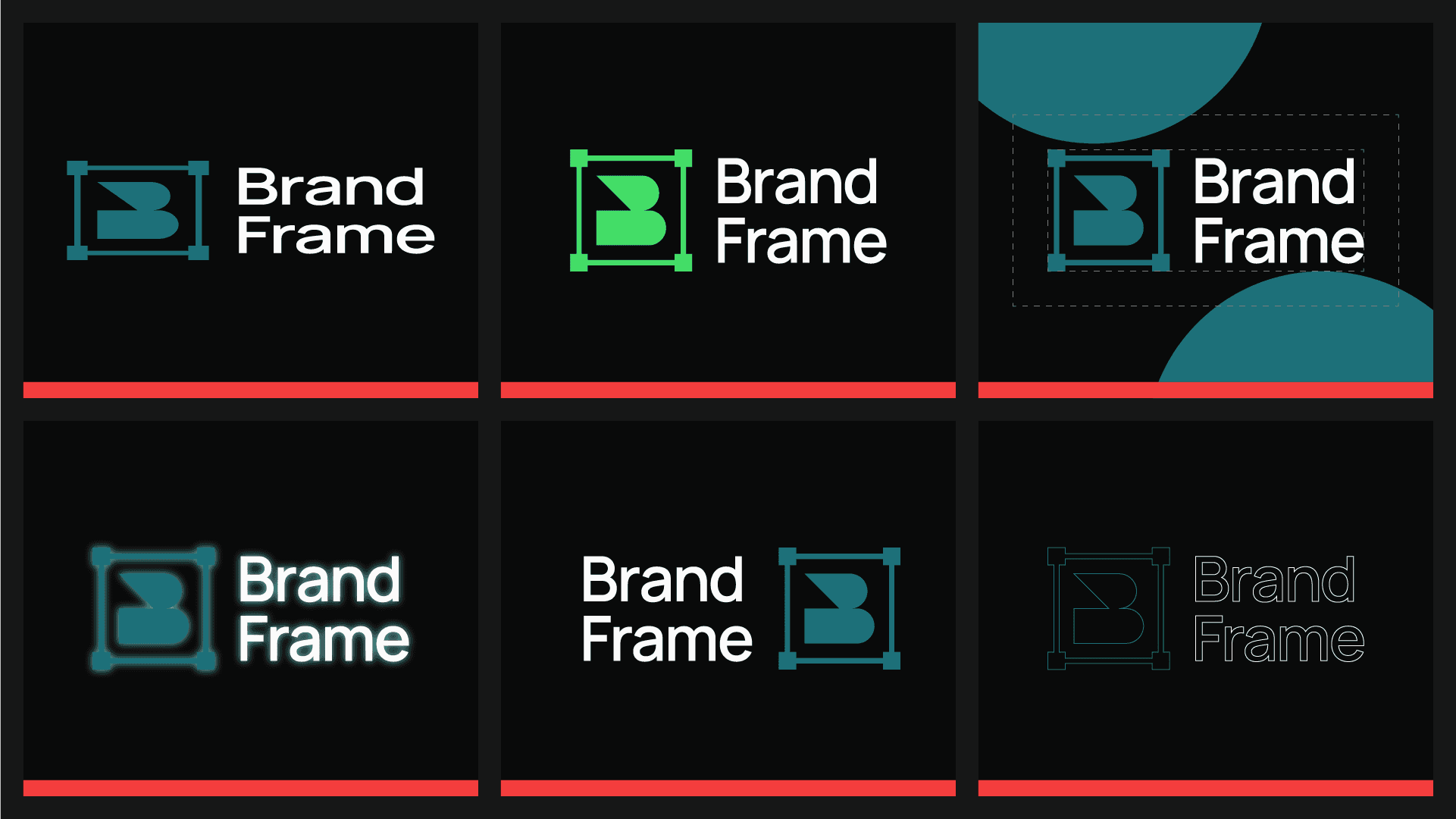
The logo system is designed to ensure flexibility, clarity, and consistency across all applications. Different logo variations are provided to adapt to multiple contexts, sizes, and use cases while preserving brand recognition.
Our Logo
Primary Logo
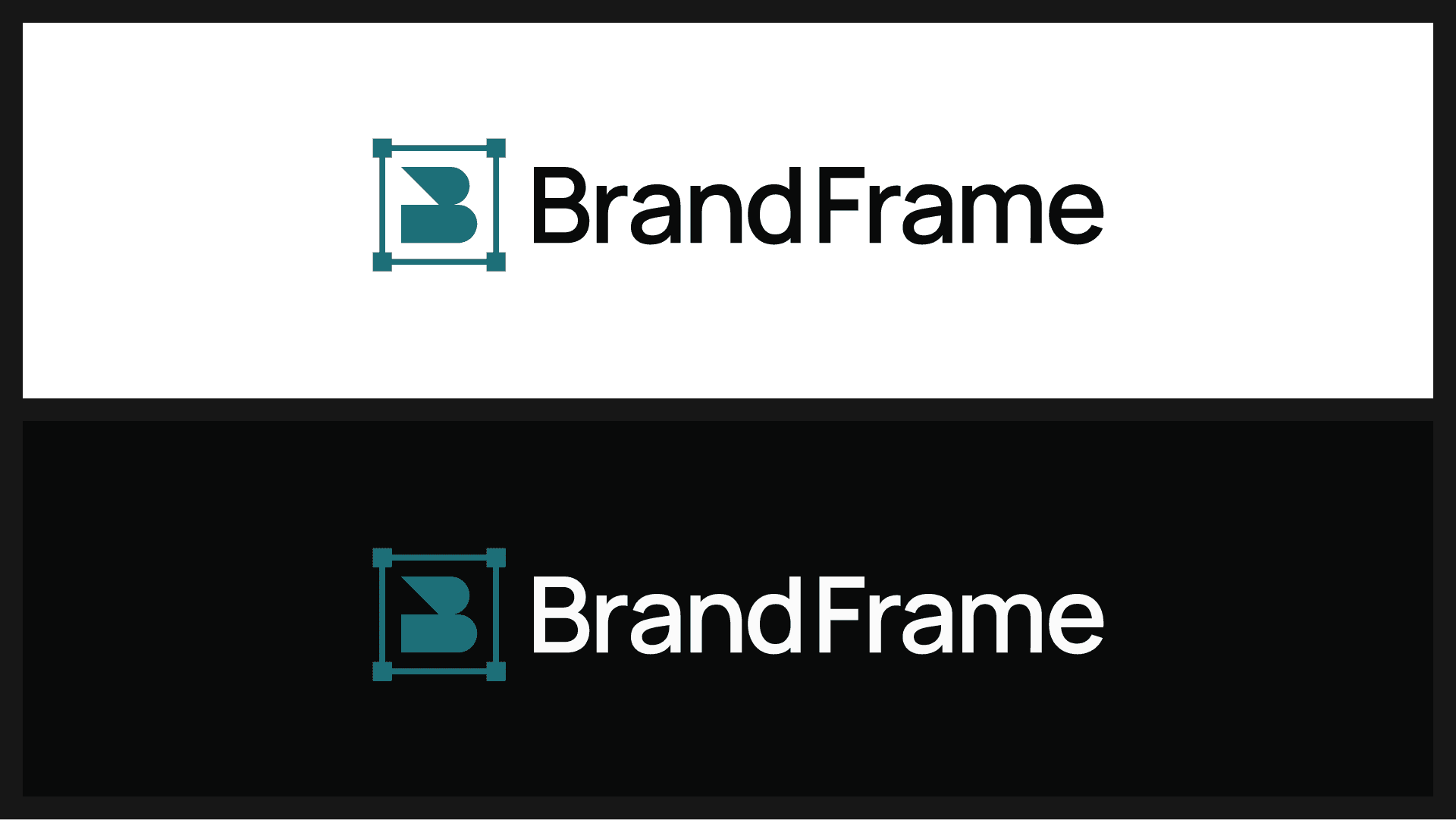
The primary logo is the main visual identifier of the brand. It combines the wordmark and symbol into a single, balanced unit and should be used in most brand applications.
This version is recommended whenever space and contrast allow for optimal legibility.
Secondary Logo
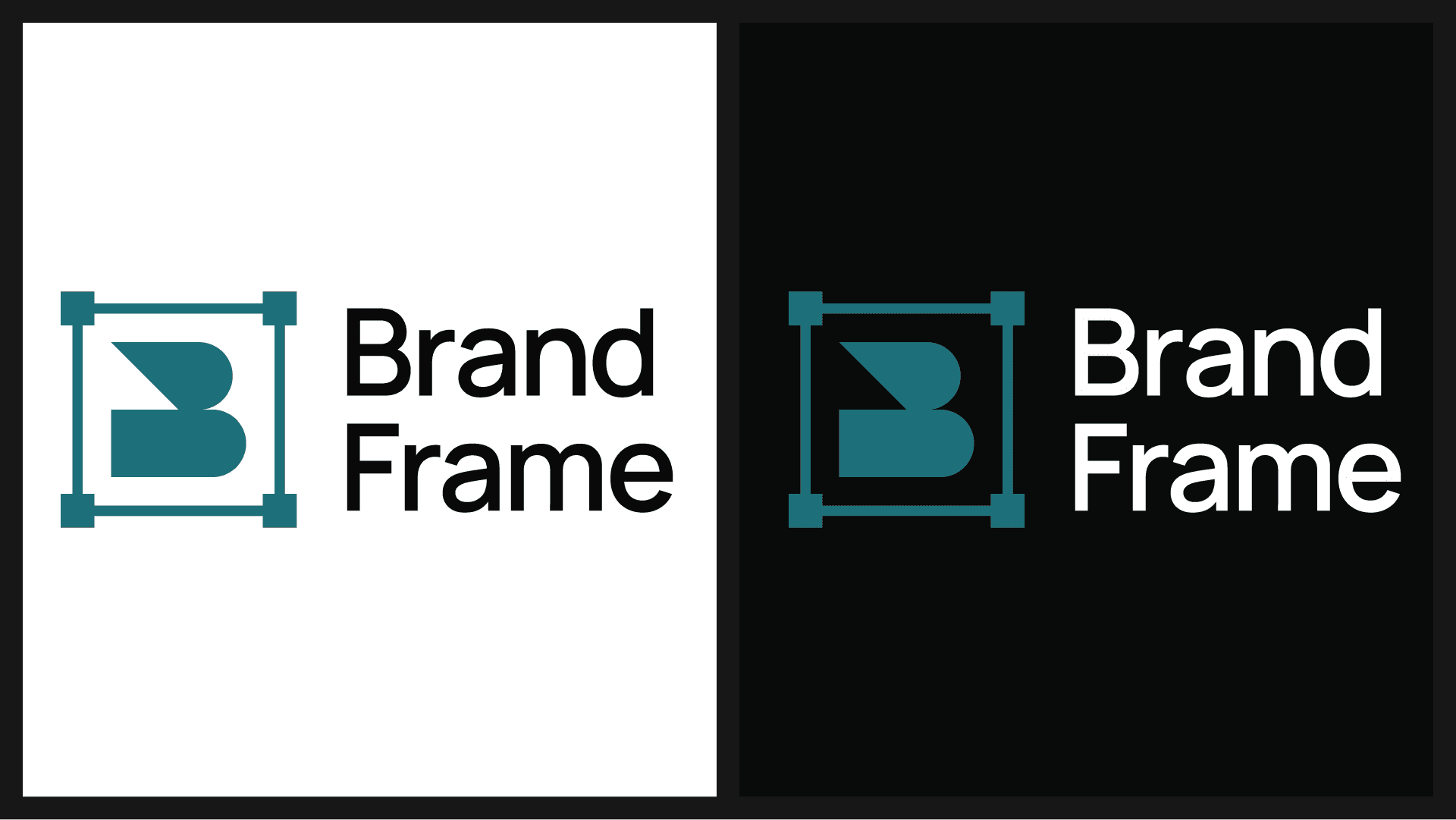
The secondary logo is an alternative version designed for layouts where the primary logo does not fit naturally.It should be used selectively and only when the primary logo cannot be applied without compromising clarity or composition.
Icon
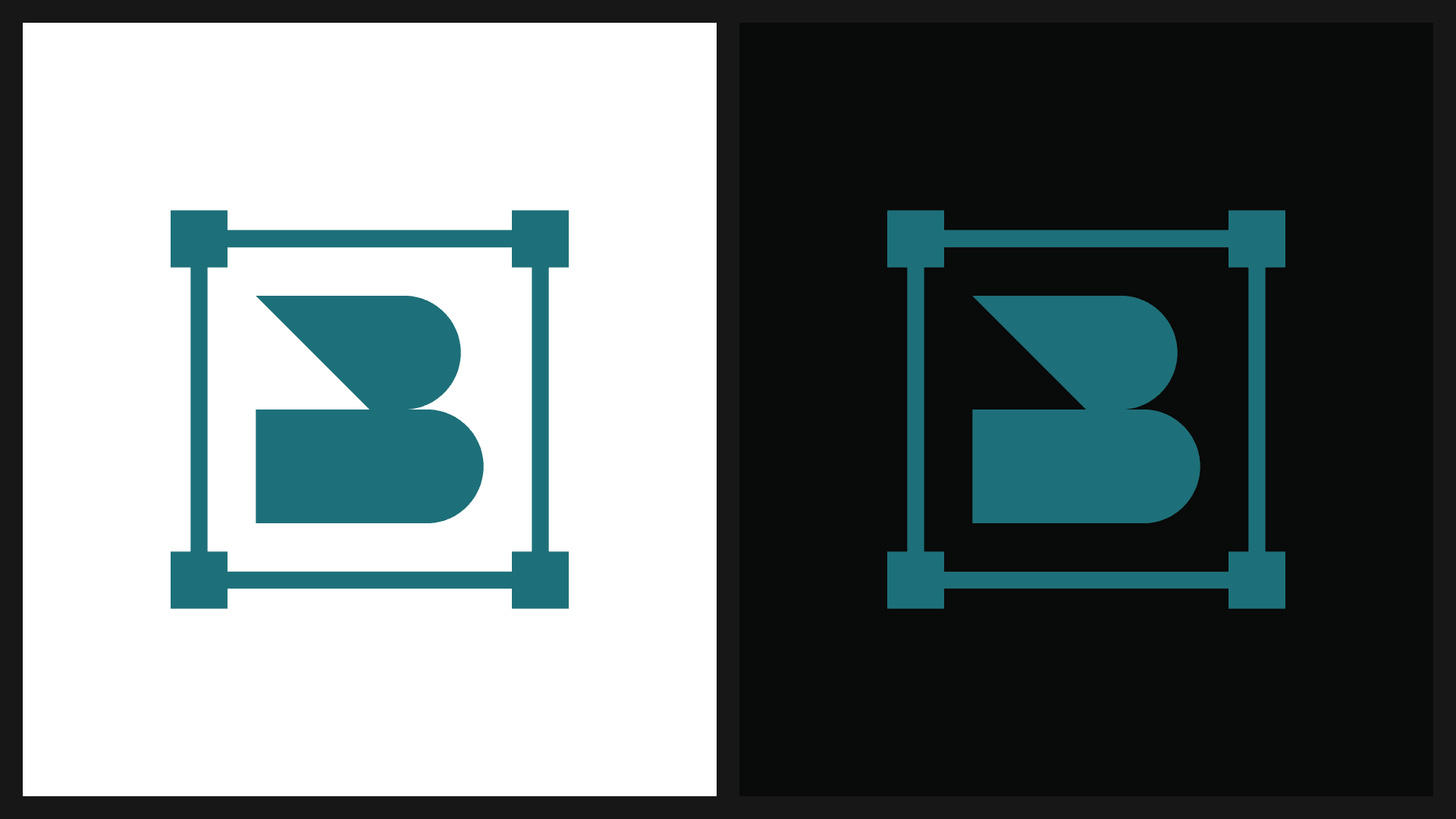
The icon is a simplified representation of the brand and should be used in contexts where space is limited or where a minimal brand presence is required. Common use cases include: Favicons, App icons, Social media avatars, Small UI elements.The icon should never replace the primary logo in formal or prominent brand applications.
Rules
Clear Space
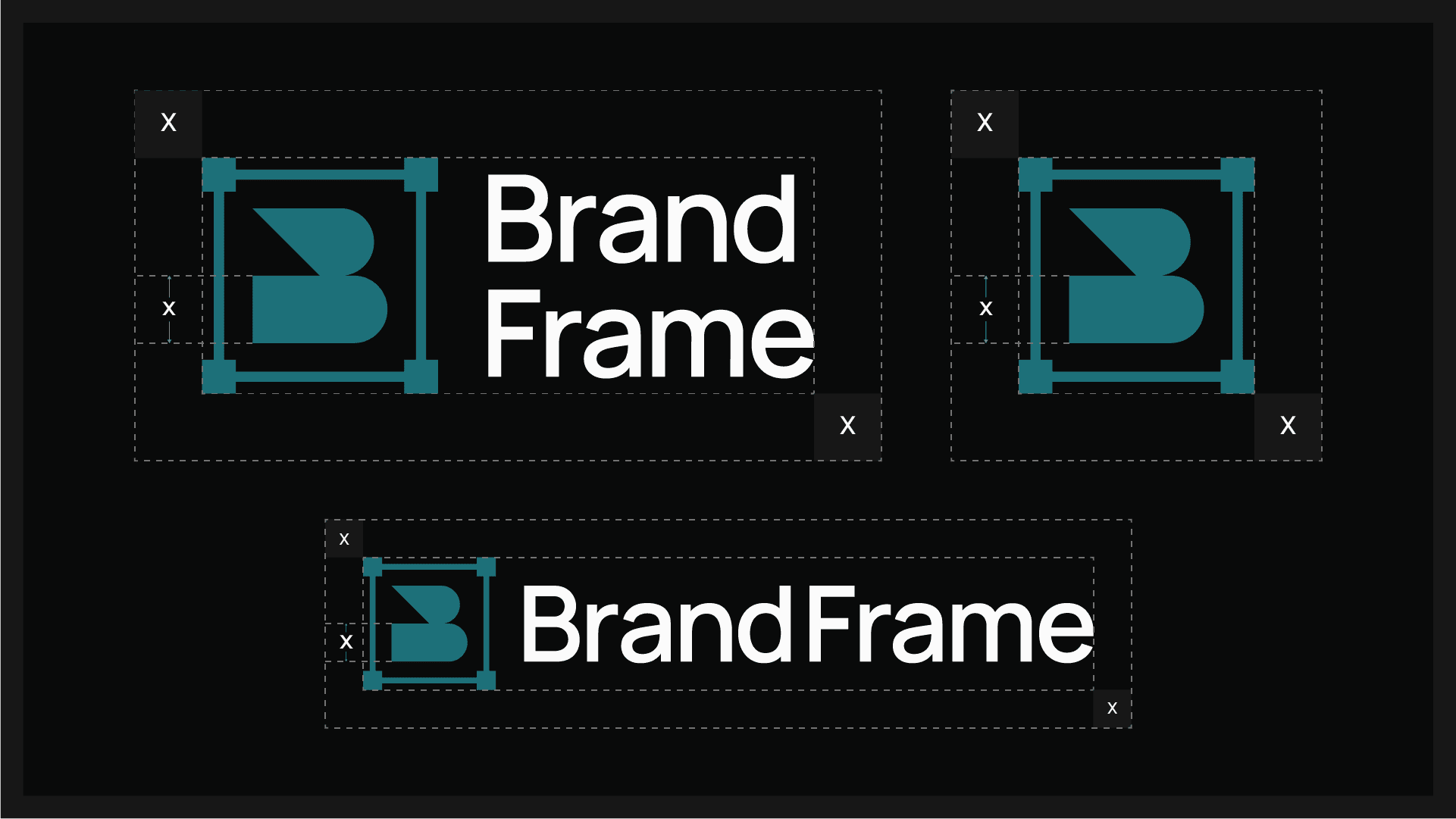
To ensure brand integrity and visual impact, a mandatory protection area has been defined that must remain free of outside elements. The "X" unit of measurement is extracted directly from the height of the symbol's lower module (letter B), providing a consistent internal metric that dictates the required clear space on all four sides of the asset.
Minimum Size
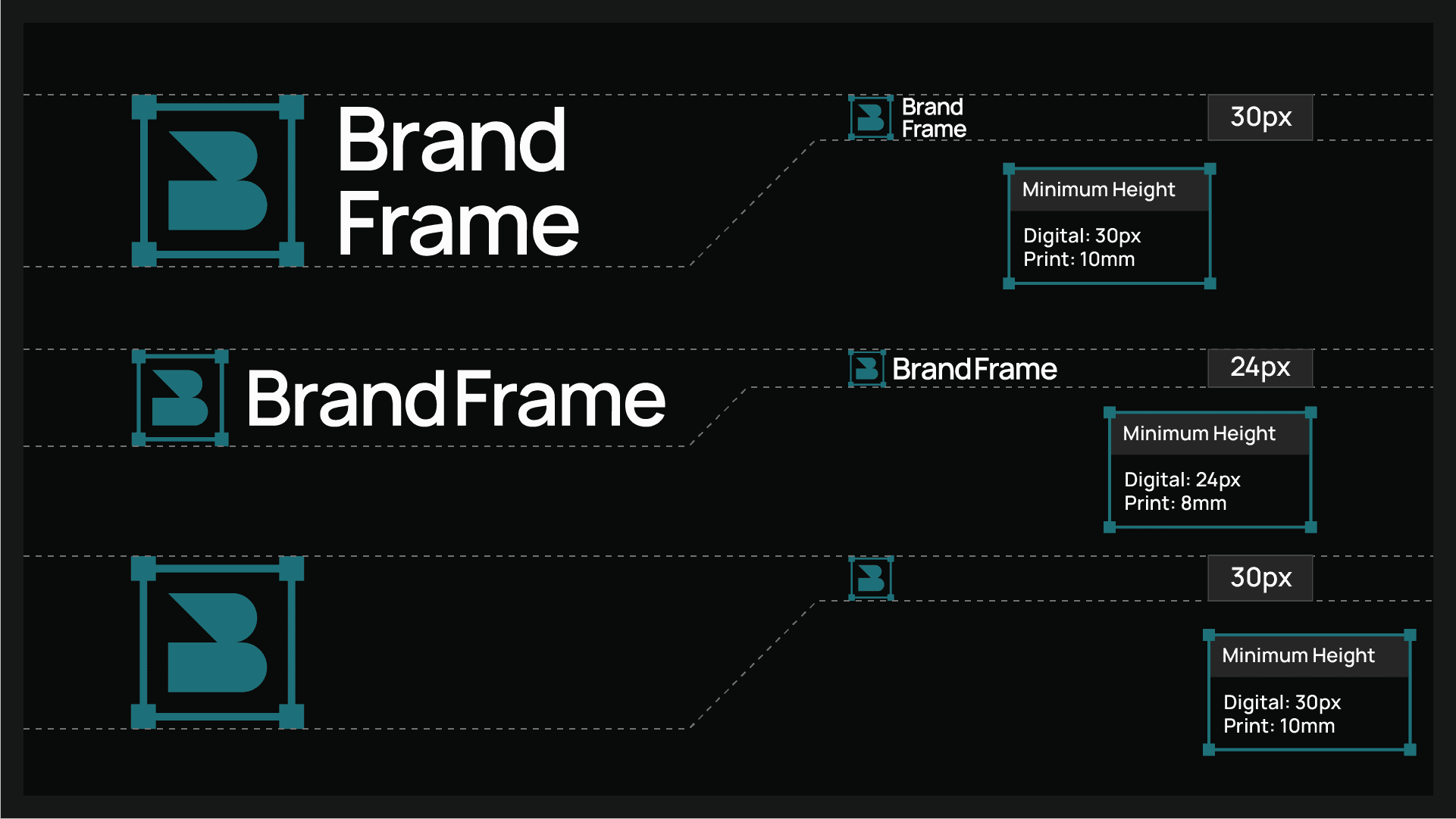
To preserve legibility and visual system recognition, the logo must not be reproduced at sizes smaller than those specified. These limits ensure that the symbol's anatomical details, such as the central division of the letter B, remain sharp in both digital and print media.
Missuse of logo
The integrity of the visual identity depends on the consistent application of its rules. It is strictly forbidden to alter, distort, or modify the logo components. Respecting the "X" unit of measurement and the original structure is fundamental to maintaining the brand's visual authority.